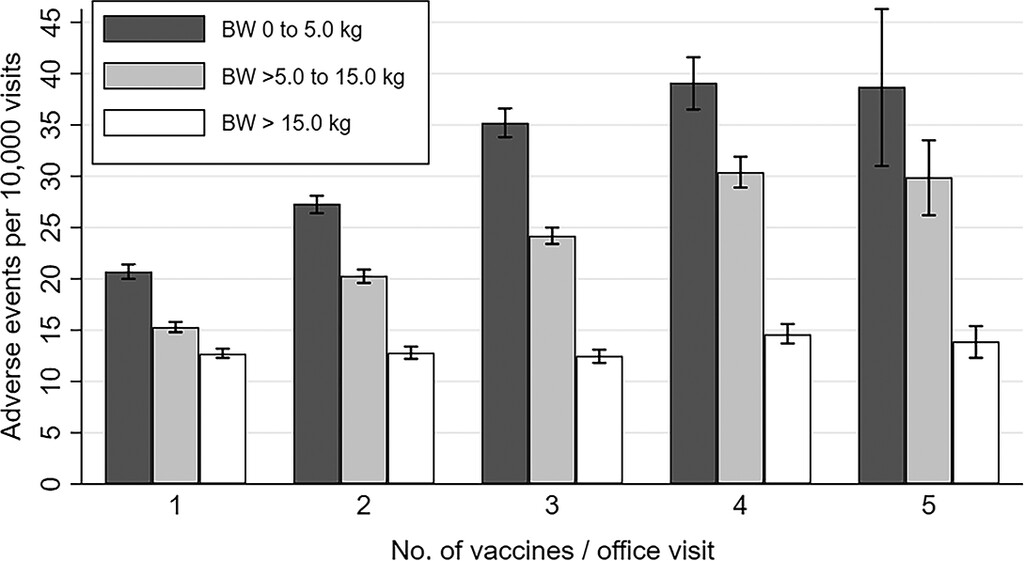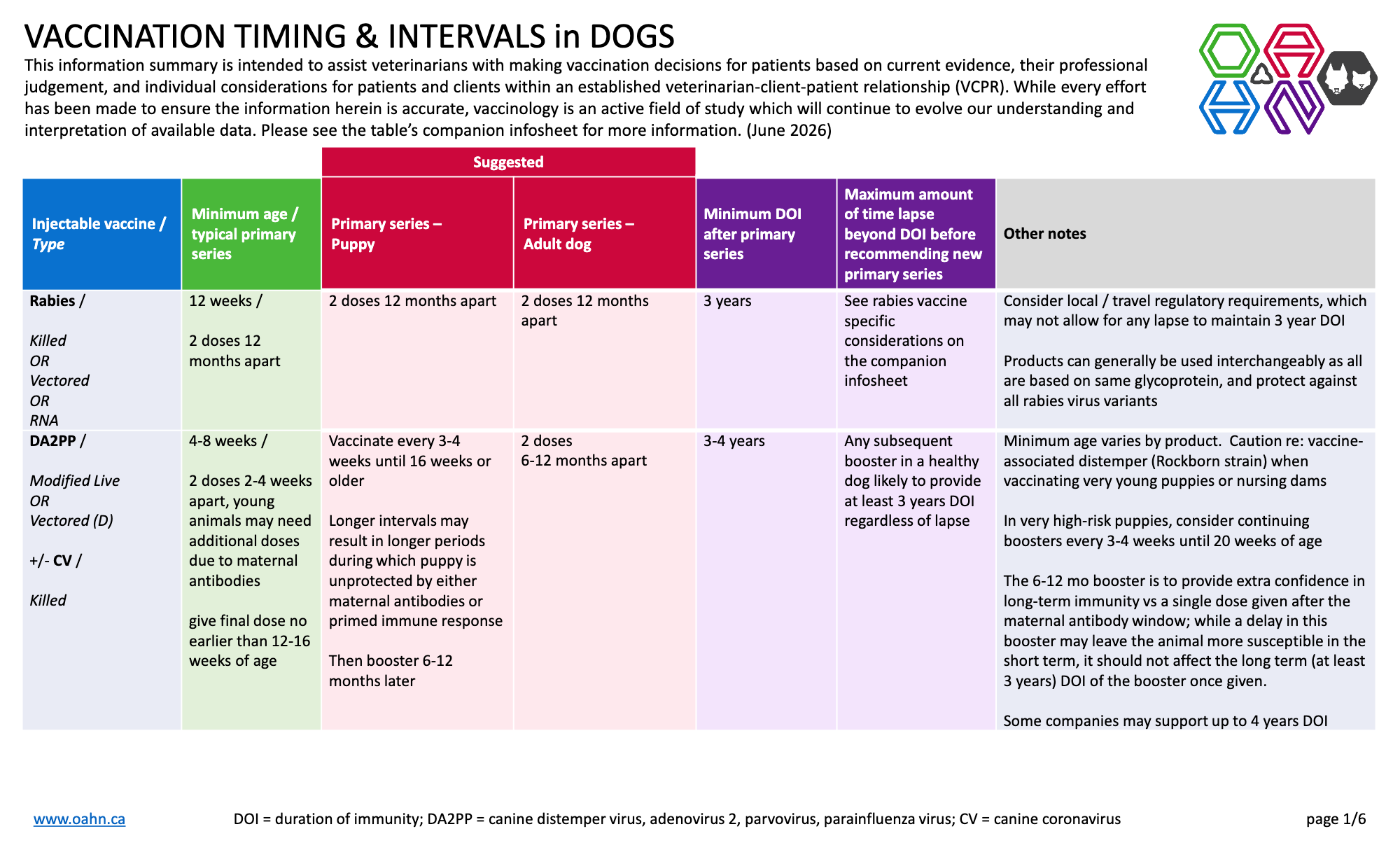

In previous posts in this series, I discussed the impact on the occurrence of vaccine adverse events of giving multiple different vaccines to a pet at the same visit or different visits, We also need to consider the impact of giving multiple vaccines at once on overall response to vaccination.
There are some vague descriptions of concerns about overloading or exhausting the immune system, and the animal not being able to respond well because it’s being challenged with too many antigens at once. Although it’s been widely discussed, there is a distinct lack of evidence indicating that routine vaccine administration can overload the immune system.
The immune system is designed to handle multiple antigenic challenges at the same time. Right now, your immune system is detecting and reacting to myriad antigenic exposures. Our bodies encounter large antigen loads every day, and have massive amounts of antigen permanently residing in and on us as part of our bacterial, fungal and viral microbiomes. We don’t get exposed to a few antigens from a vaccine one day and then give the immune system a break for the year. The vaccine antigens are a comparatively major antigenic load, since we’re aiming to stimulate a strong immune response, but they are far from the only antigens the body encounters on a given day.
The immune system is quite capable of handling many antigens at once and immune exhaustion from vaccination doesn’t appear to be a relevant concern. An older but still relevant review of concerns about giving multiple vaccinations to children (Offit et al 2002) provides some insight on this. Based on estimates of circulating B-cell numbers, reproduction capacity, antigen loads and antibody production kinetics, they estimated that an infant has the theoretical capacity to respond to approximately 10,000 vaccines at once. Yes, it’s theoretical and based on various estimates, but even if it’s off by a lot, it still doesn’t support concerns about giving combinations of vaccines that we use in veterinary medicine.
While there are legitimate reasons to consider separating vaccines in some situations or limiting the number of vaccines for a particular animal, those largely revolve around managing known vaccine reaction issues. For routine purposes, there’s no concern about a decreased immune response from giving multiple vaccines at once.